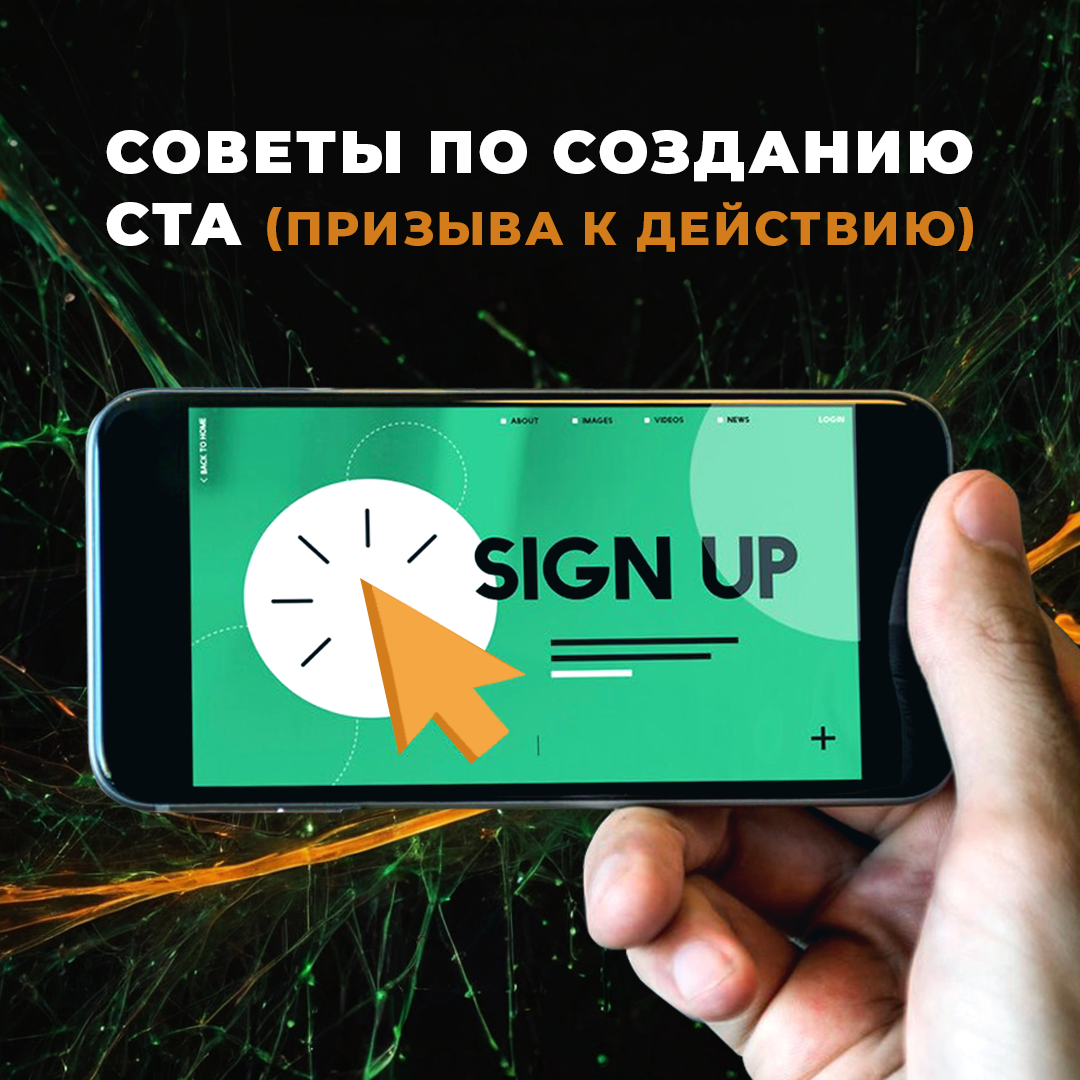
Every marketer dreams of one thing: that the visitor does not just look at the site and disappear, but takes an action - buys, subscribes, downloads, registers. That's what CTAs (Calls to Action) are for. Let's see how to create powerful, working calls to action that will not leave users indifferent.
Creating an effective CTA is not just writing text on a button. It is a whole process that includes analysing the target audience, testing different options and proper design. For example, the same call-to-action may work differently depending on the platform: what works well in an email newsletter may not work in a mobile app. So it's important not only to follow best practices, but also to take into account the specifics of your audience.
In addition, the influence of psychology cannot be underestimated. People tend to respond to certain triggers: urgency, limited supply, social proof and personalisation. For example, the phrase "There are only 3 spots left!" causes fear of loss of profit (FOMO), and "Join 50,000 satisfied customers!" creates a sense of trust and reliability. Proper use of such techniques can significantly increase conversion rates.
What is CTA and why is it needed?
A CTA (call to action) is an element on a website, email or advert that encourages a user to take a step: click a button, enter data or make a purchase. These can be buttons like "Buy Now," "Subscribe.", "Free Download." et cetera, et cetera.
Why is it needed? It's simple: without a clear indication of what to do next, the user is lost. Even if they like your content or product, the lack of a clear call to action reduces the likelihood of conversion. A good CTA is a guide for the user that gently but persistently nudges them towards the desired action.
Research shows that a properly designed CTA increases conversions by 30-40%. Companies that actively test calls to action get significantly better results. Now imagine this: your website gets 10,000 visitors a month. If you improve your CTA and conversion increases by 10%, that's an additional 1,000 leads. Impressive, isn't it?
Examples of effective calls to action
Let's break down a few successful CTA options that work:
- "Get your 20% discount right now!" - creates a sense of urgency and benefit.
- "Download the free e-book." - the emphasis on free is appealing.
- "Try the demo version without registering." - lowers the barrier to entry.
- "Leave an application and get a gift." - the extra bonus is motivating.
- "Join 10,000 satisfied customers!" - Social proof builds trust.
Key to success - comprehensibility, specificity and emotional trigger.
It is also important to consider context. If a user reads an article about weight loss, the appeal is "Start losing weight today!" with a free trial programme will work better than a dry one "Make an appointment for counselling.". The more the CTA resonates with the user's desires, the higher the likelihood of success.
Mistakes when creating a CTA
CTA mistakes can cost you clients. Here's what to avoid:
- Vague wording. "Click here" - why? Better "Get access to the discount!".
- Lack of urgency. The phrase "Leave a request" sounds boring, but "Hurry up and leave a request today!" - is better.
- Too many CTAs on one page. When the Buy, Subscribe, Download and Learn More buttons are side by side, the user is lost.
- Complex actions. If you have to fill out 10 fields before you get access, most people will leave.
- Discreet design. The CTA should stand out in colour, size and location. A small grey button in the corner will not attract attention.
- Lack of testing. There is no perfect CTA that will bring 100% conversions right away. Companies that regularly test different variations get better results. Try changing wording, colours, button size and analyse the data.
How to test the effectiveness of CTAs
Testing plays a key role in creating truly powerful calls to action. Here are a few proven ways to do it:
- A/B testing. Create two versions of the CTA and compare their effectiveness.
- User behaviour analysis. Use click maps and heat maps to understand where users are more likely to click.
- Optimisation of the mobile version. 60-70% users access websites from mobile devices, so the CTA needs to be finger-friendly.
- Feedback. Ask customers what motivated them to take action and adapt CTAs based on real data.
Creating an effective CTA is an art and a science at the same time. It should be clear, appealing and motivating. Use clear wording, add elements of urgency and avoid common mistakes.
Additionally, don't forget to tailor your CTA to your target audience. For youth audiences, creative, informal phrases like "Yes, I want it!" or "I want to try it right now!". Formal, professional wording works better in the corporate segment.
Use analytics, A/B testing and modern marketing approaches to maximise the impact. Then users won't just read your content, they'll take the action you want them to take. And isn't that what we all want? 😉
Discover more from Web студия Kakadoo
Subscribe to get the latest posts sent to your email.