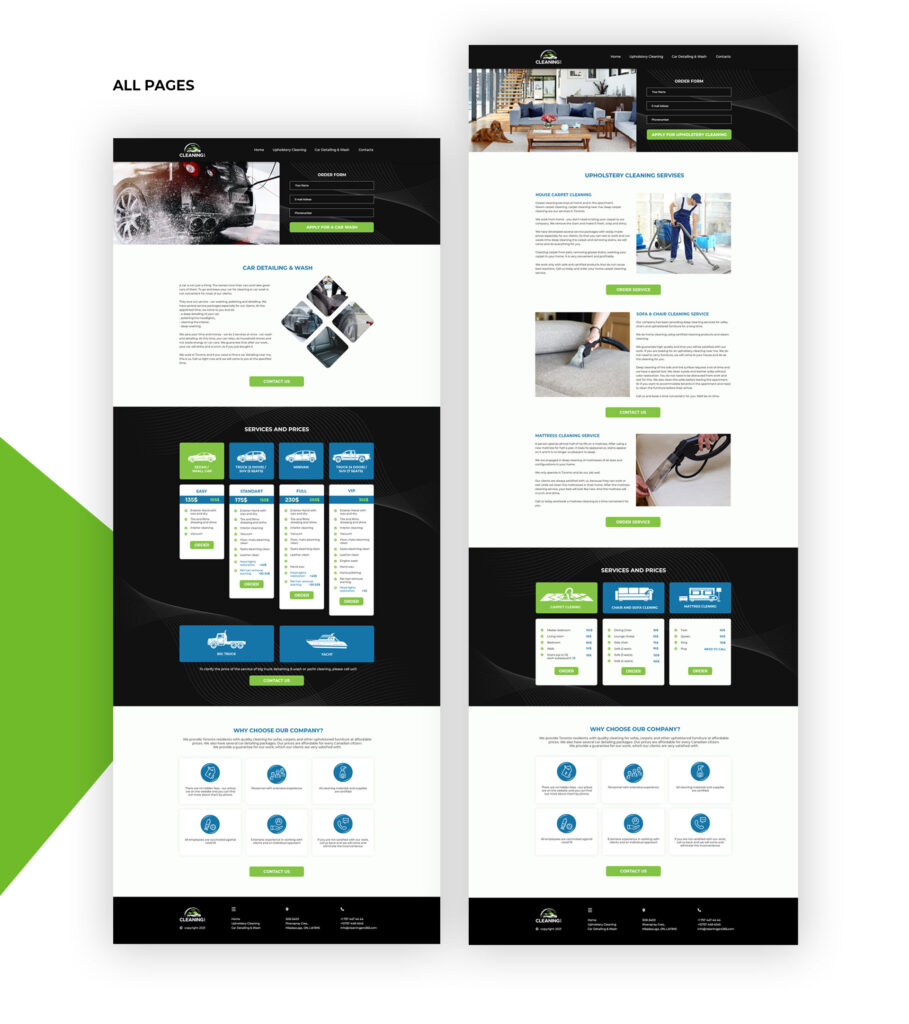
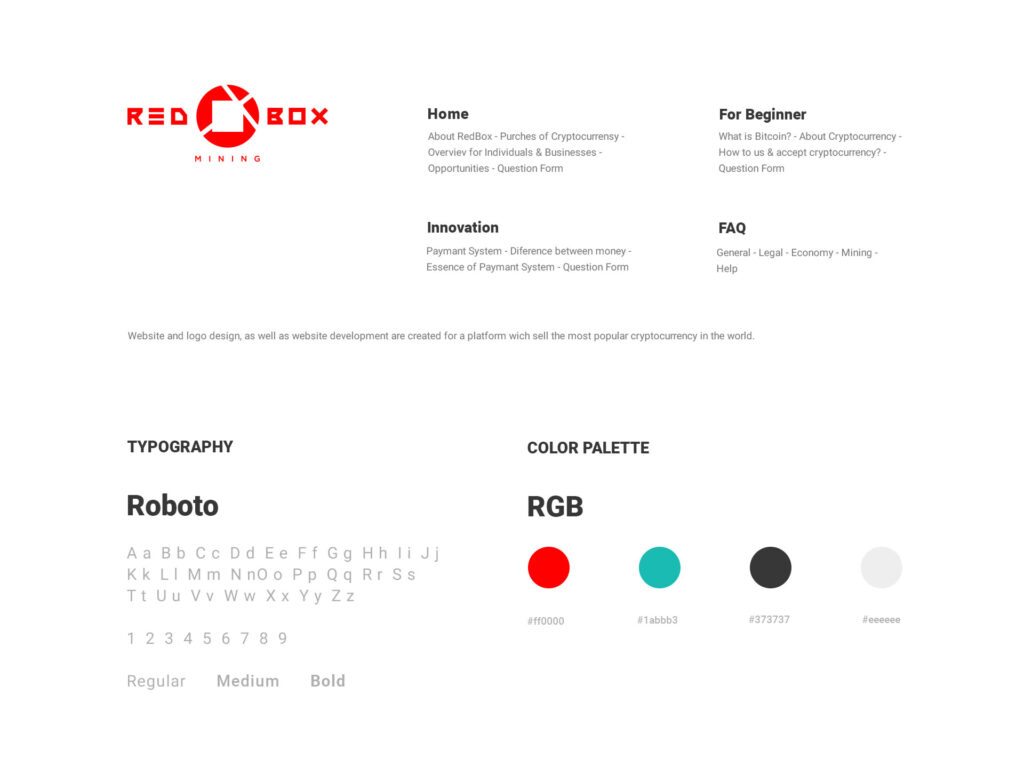
Let's be honest: if content is king, web design is its front suit. And it better not show up in places of observation in its bear pyjamas, or users will close your site faster than they'll switch off their alarm clock on Monday morning. But how do you choose a design? And which costume is right for your project?
Today we're going to break down the five main types of web design - and get a little closer to dream websites. And as a bonus, let's talk about the important thing: "How much does web design cost?" and what's up with designers' hourly rates.

This is web design in its classic form. Static sites look like nothing has happened to them in ten years. Everything is solid, reliable, but, frankly, a bit boring.

Business card sites or projects that are rarely updated.

Ease of development and small budget.

It was not friendly with mobile devices before, as it was created for computers. Now the developers are adapting it for mobile versions and the site is correctly displayed on screens of different sizes.
Websites with an adaptive approach are like chameleons. They "change their clothes" on the fly under any screen: even under a smartphone, a tablet or a huge 4K monitor. Smooth elements, readable texts and no "trousers inside out".

Those who value users and SEO. Yes, Google loves adaptability.

The site is available on all devices. Convenient and modern.

Time-consuming and requires experience from the team.
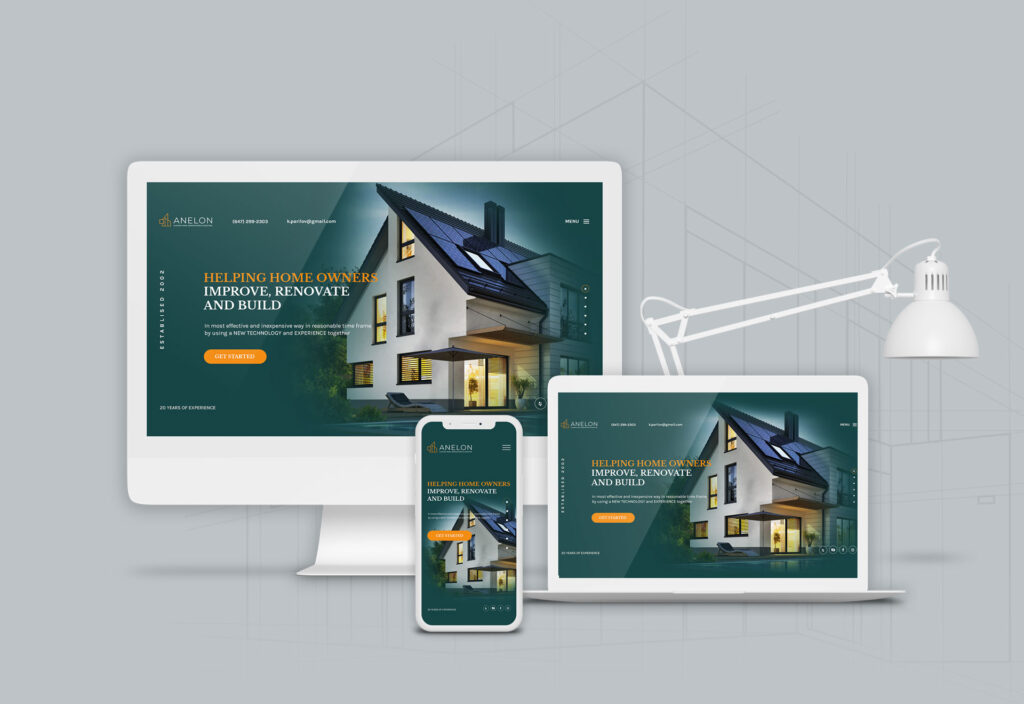

In the era of minimalism, flat design has become a top seller. All elements have simplified limits, smooth lines, neat and clear coloured icons, without shadows and three-dimensional jumps. The beauty is in the ease of perception, not in "visual noise".
Spectacular animations, buttons that "jump", and pages where elements create a sense of existence . The visitor doesn't just look at the site, but interacts with it - clicks, scrolls and shouts "Wow!".
In this design everything is on the shelf - pages are structured by blocks and modules, like a cosy Ikea wardrobe. The information is presented clearly, without chaos, with equal indents. Your perfectionist will be happy!
Here everything is like in a good restaurant: the price depends on the order . It is important to understand: the designer sells not "pictures", but his experience and usability of your future site. Multi-pages are more expensive, interactive requires a decent budget, as well as adaptability and, in general, aerobatics from the crew.

To wit, "How much does it cost per designer hour for such a marvel?"
Answer: depends on the complexity of the work and the skill of the designer. A basic adapted site with fewer attractions will hit the wallet slightly, but not so much as to give up a work of art.
It all depends on his experience, skills and the scale of the task. But remember: well-designed web design is not a cost, but an investment in your project. Here I will not trick - the cost of web design depends on the amount of work, complexity and level of the specialist . Site-business card will not pull all the gold out of you, and for a perfect multi-page and masterpiece interactive will have to lay out more money. Professionals value themselves, because quality web design can make your business a star of the Internet.
If you want minimalism and style, go for the classics.
Need a website for all screens of the world? Adaptive is just what the doctor ordered.
For a "wow" effect, select interactive .
And if you value order and logic, go for modular design.
Now you know what types of web design there are and how to choose the perfect one among them. Your website is your business card, and the brighter its design, the better it will attract customers or readers. So don't skimp on beauty and usability - it's worth it!
Subscribe to get the latest posts sent to your email.