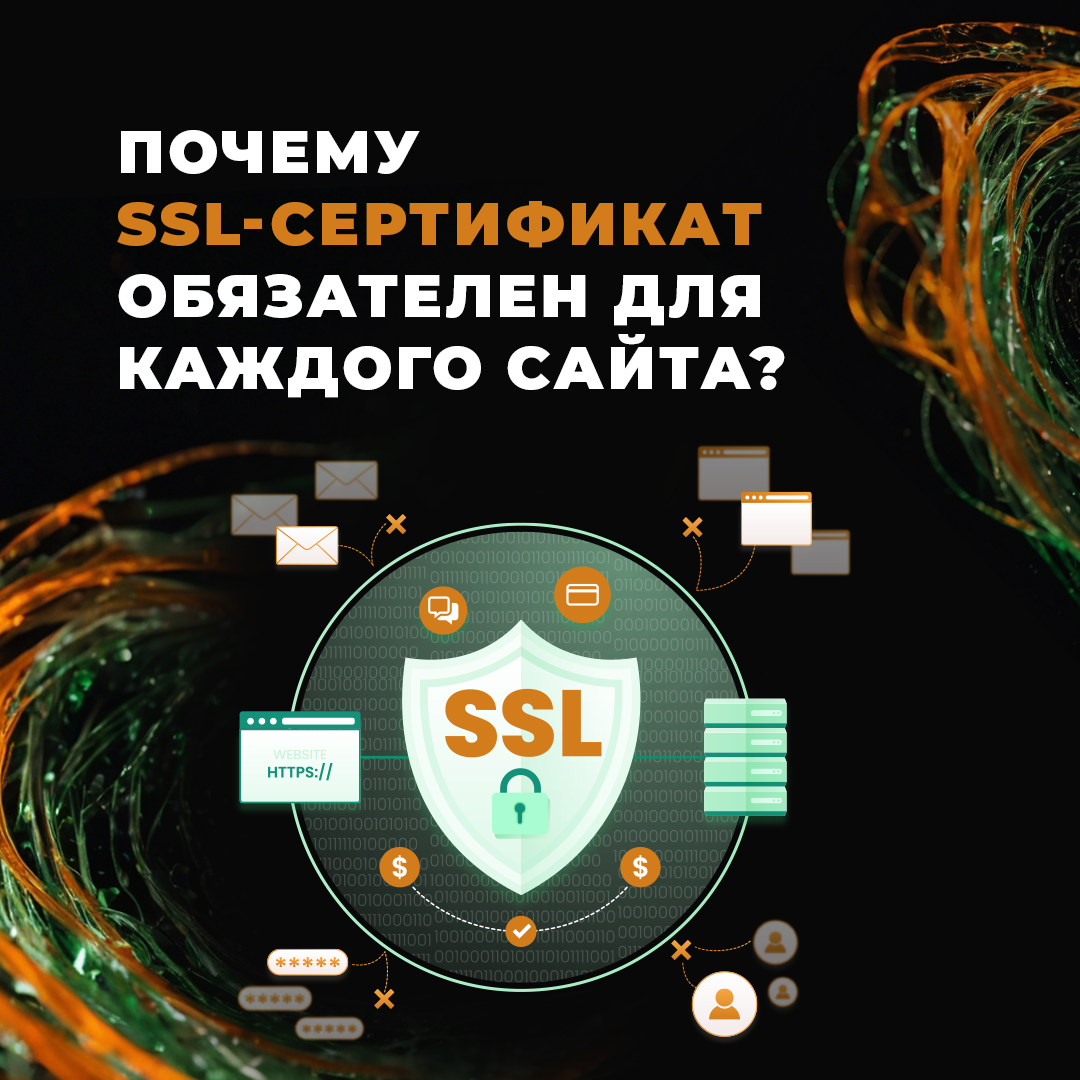
In the world of the Internet, security plays a key role. One of the most important technologies that protect user data is the following it's an SSL certificate. But what is it and how does it work?
SSL (Secure Sockets Layer) is a protocol that creates an encrypted connection between the server and the user's browser. If a website uses SSL, its address in the browser bar starts with HTTPS instead of HTTP. This means that transmitted data (passwords, card numbers, personal information) is protected from interception.
The principle of SSL is based on data encryption. The certificate contains public and private keys. When a user accesses a secure site, his browser verifies the authenticity of the certificate and establishes a secure connection.
But let's dig a little deeper! Imagine sending a postcard through the mail. Without SSL, it passes through dozens of hands and anyone can read it. With SSL, it's like a sealed envelope with a special code that only the recipient can open. That's why protection is so important!
Interesting facts about SSL certificates:
- The first SSL was created in 1994 - Netscape developed it to protect data in transit over the Internet.
- Google has made SSL mandatory - Since 2017, sites without HTTPS have been receiving insecurity warnings.
- SSL has an impact on SEO - sites with HTTPS are ranked higher in Google search results.
- There are different types of SSL - from simple domain certificates to Extended Validation Certificates (EV SSL) that validate a legal entity.
- HTTPS does not guarantee security - SSL protects data transmission, but if a site is compromised or contains malicious code, problems will remain.
The role of SSL in website security
Using an SSL certificate is not just a recommendation, but a necessity for any website that cares about its users. Here are the main reasons why SSL is important:
- Data encryption - transmitted information is protected from hackers and interception.
- User confidence - The presence of HTTPS in the address and a green padlock in the browser increase the level of trust in the site.
- SEO advantage - Google favours sites with SSL, which has a positive impact on ranking.
- Phishing protection - SSL reduces the risk of fraudsters spoofing the site.
Why do you think online shops are so strict about SSL? It's simple: if a customer sees a warning about an insecure connection, he will leave the site without making a purchase. The losses are obvious!
How do I get an SSL certificate?
Getting an SSL can be done in different ways, depending on the needs of the site:
- Free SSL - are provided by services such as Let's Encrypt. A great option for small sites and blogs.
- Paid SSL - Extended Validation (EV) certificates are suitable for online shops and corporate websites.
- Through hosting - Many providers offer SSL installation directly from the control panel.
- Through a certification centre - you can buy a certificate from such authoritative centres as Comodo, DigiCert, GlobalSign.
After receiving the certificate, you need to install it correctly and configure the server to work with HTTPS. By the way, if you think that this is the end of it, you are wrong! Sometimes the installation process turns into a real quest.
SSL installation errors.
Even experienced webmasters can run into problems when installing SSL. Here are some common mistakes:
- Server incompatibility - Some servers may require special settings for SSL to work properly.
- Mixed content - if HTTP links are left on the site, the browser may not consider the connection to be completely secure.
- Expired certificate - forgot to update your certificate in time? This will result in an unsafety warning.
- Incorrect setting of redirects - it is important to redirect HTTP traffic to HTTPS to avoid duplicate pages.
- Mistake of trust - If the certificate is issued by an unknown centre, the browser may warn users of an insecure connection.
Think of the times when you go to a website and your browser screams: "Beware, unreliable connection!" You'll agree that the desire to stay on such a site disappears abruptly. That's why it's so important to set everything up correctly!
SSL certificate is not only a requirement of search engines, but also an important tool for user protection. If your website is still running without HTTPS, it's time to fix it and ensure data security. After all, the internet is not just a digital environment, but a space of trust. And SSL is one of the main building blocks of that trust!
Discover more from Web студия Kakadoo
Subscribe to get the latest posts sent to your email.