
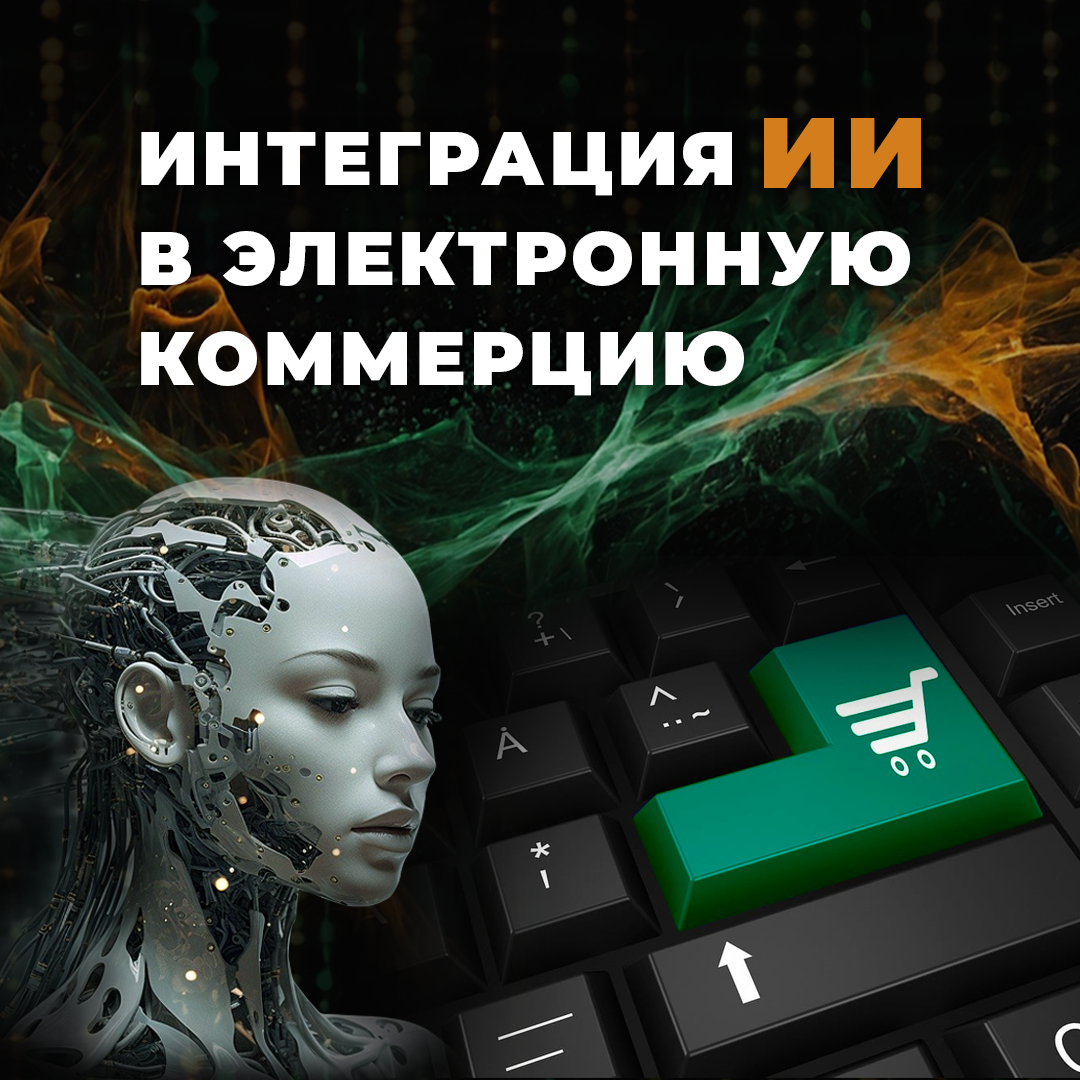
It seems that not so long ago, buying online was akin to jumping through hoops: looking for the right product, double-checking the description, hoping that the photo corresponds to reality. But artificial intelligence has come, and everything has changed! Today, your every move in an online shop is carefully analysed to improve your shopping experience. It sounds a bit creepy, but that's how the world of modern e-commerce works.
Let's break down exactly how AI is integrating into e-commerce and helping sellers and buyers live a better (or at least more convenient) life.
How AI is helping e-commerce
Personalisation 2.0: Know your customer
Artificial intelligence has become a true visionary in the world of e-commerce. It knows you so well that it can predict what you will buy next. A bouquet of flowers for Valentine's Day? A summer wardrobe? A new drill? It's all down to algorithms. Machine learning allows systems to analyse your past orders, preferences and even your online activity times.
Facts:
- According to McKinsey research, personalised offers increase sales by 20%.
- 35% of Amazon's sales are provided by recommendation algorithms.
Automation: Magic without a human
The automation of processes such as order processing, customer communication and warehouse management has revolutionised business. In this business, virtual assistants like chatbots have become the real heroes. Some complain that they "can't think", but in fact, chatbots can easily solve up to 80% standard tasks.
Examples of Uses:
- Alibaba launched an AI chat bot that communicated with more than a million customers in a week.
- ASOS have introduced order automation and saved millions.
How AI is impacting e-commerce
Improved order forecasting.
Forecasting has become a key point that protects businesses from losses. In the past, companies were often either overstocked with goods or didn't have time to deliver the right quantities. AI is trained to analyse data - past sales, weather, holidays - to determine how many pairs of blue trainers you need to have for next season.
An interesting example, Walmart uses AI to predict real-time demand and claims it has reduced inventory costs by 30%.
Fighting fraud
The fight against online fraudsters is a new form of medieval jousting, only now algorithms have replaced swords. Artificial intelligence checks every transaction: it detects strange activity (for example, an order for 100 phones), tracks fraudulent IP addresses and quickly blocks suspicious activities.
A new level of interaction: smart chatbots and voice assistants
Talking to a bot can be fun. However, they have become so advanced that they are already having complex conversations with customers. Virtual assistants, such as Amazon's Alexa or Google Assistant, are also integrated into e-commerce platforms, helping to select products or repeat orders.
"The robot assistant realised that I like spicy food and added extra sauce to my order. It seems to know my tastes better than my friends!"
Neural networks and copyright: all that is now known
"Is it my product?"
Creating something new with the help of artificial intelligence raises serious discussions. Who is the author: the person who pressed the button or the algorithm? Imagine that a designer creates a logo using an image generator, but sketches the concept himself. Legislation has so far avoided such situations, which creates complex legal precedents.
Fact: In 2023, a court in the US refused to recognise ownership of artworks created entirely by AI. However, other countries have taken different approaches.
Neural networks and plagiarism
AI often learns from other people's data. And if a neural network suddenly creates a product that resembles an existing one, can it be considered a copyright infringement? The problem remains unsolved, and businesses risk being sued for plagiarism.
Interesting fact: A $1 million lawsuit was filed against one company for having its AI generate a painting that looked suspiciously like the work of a modern artist.
A glimpse into the future
E-commerce is just beginning to unlock the potential of artificial intelligence. The future promises even deeper personalisation, transparent copyright rules and completely new ways for customers to interact with businesses. One thing is certain: with each passing year, AI is becoming an indispensable assistant and even partner in business.
11,639 hits
Discover more from Web студия Kakadoo
Subscribe to get the latest posts sent to your email.



 Russian
 Ukrainian
 German
 English
2 replies on “Интеграция искусственного интеллекта в электронную коммерцию”
Could an AI sell instead of an adviser?
Yes, to some extent it can. AI is capable of answering standard questions, selecting suitable products or services, gathering contact details and guiding the customer through to a enquiry or purchase. But in complex situations where personalised recommendations, handling objections or non-standard solutions are required, a consultant is still essential. The best results are usually achieved through a combination of the two: AI handles routine enquiries, whilst a specialist steps in for more complex requests.